Write a comprehensive one-page article about "DAST in technology".
Model: sonar-pro
DAST in Technology: Securing Applications in Runtime
Introduction
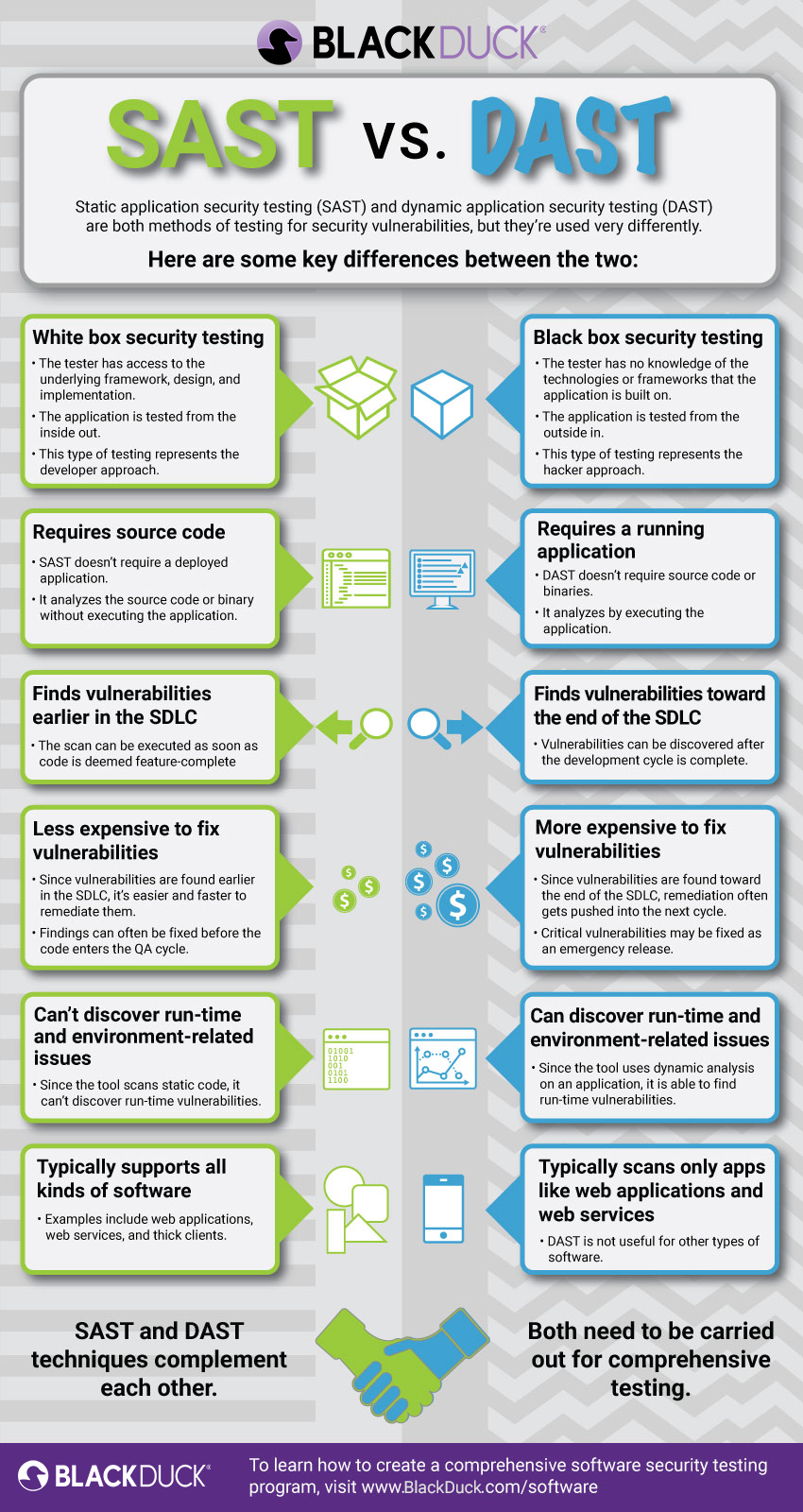
Dynamic Application Security Testing (DAST) is a black-box security testing method that identifies vulnerabilities in running web applications by simulating attacks from an external perspective .
[69prn0]
In today's fast-paced software development environment, DAST has become essential for organizations seeking to detect security flaws before cybercriminals can exploit them .
[do6zoj]
Unlike traditional static code analysis, DAST evaluates applications as they execute in real-world conditions, catching runtime vulnerabilities that static tools cannot identify .
[urv07j]
Understanding DAST: Concept and Mechanics
DAST operates by simulating the techniques and perspective of a malicious attacker .
[sri8z1]
A DAST scanner sends automated requests to a running application—including HTTPS requests, SQL queries, and other potentially harmful data—without any knowledge of the underlying source code .
[2etrq1]
The tool then analyzes the application's responses to identify unexpected outcomes that could indicate security weaknesses .
[sri8z1]
This "outside-in" approach makes DAST fundamentally different from static analysis tools, which examine code at rest rather than during execution .
[urv07j]
The practical power of DAST lies in its ability to detect vulnerabilities that only manifest during runtime .
[c1038k]
Common vulnerabilities DAST identifies include SQL injection, cross-site scripting (XSS), authentication errors, server misconfigurations, and code injection flaws .
[sri8z1]
Because DAST tools operate without access to source code, they function equally well across any programming language or framework—whether applications are built in Java, Python, Node.js, or other stacks .
[69prn0]
This language-agnostic approach makes DAST particularly valuable for organizations testing third-party applications or validating security in diverse technology environments.
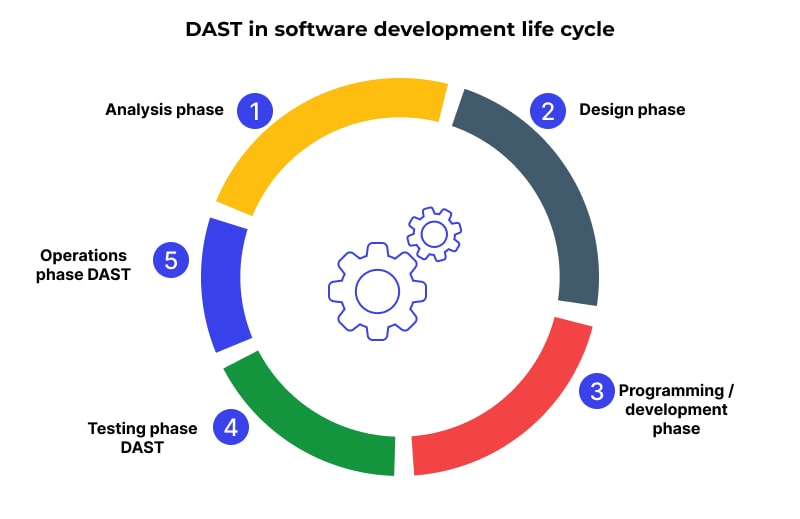
Organizations typically integrate DAST into their CI/CD pipelines during the testing phase, after static analysis has completed initial code-level checks .
[69prn0]
This timing allows teams to evaluate fully assembled applications with all components running together .
[69prn0]
The vulnerability reports generated by DAST tools categorize findings by severity, map each discovery to specific endpoints, and provide remediation guidance—often including the exact payload that triggered the vulnerability .
[69prn0]
Many platforms automatically route findings to ticketing systems like Jira or communication platforms like Slack, ensuring vulnerabilities are addressed promptly .
[69prn0]
Benefits and Considerations
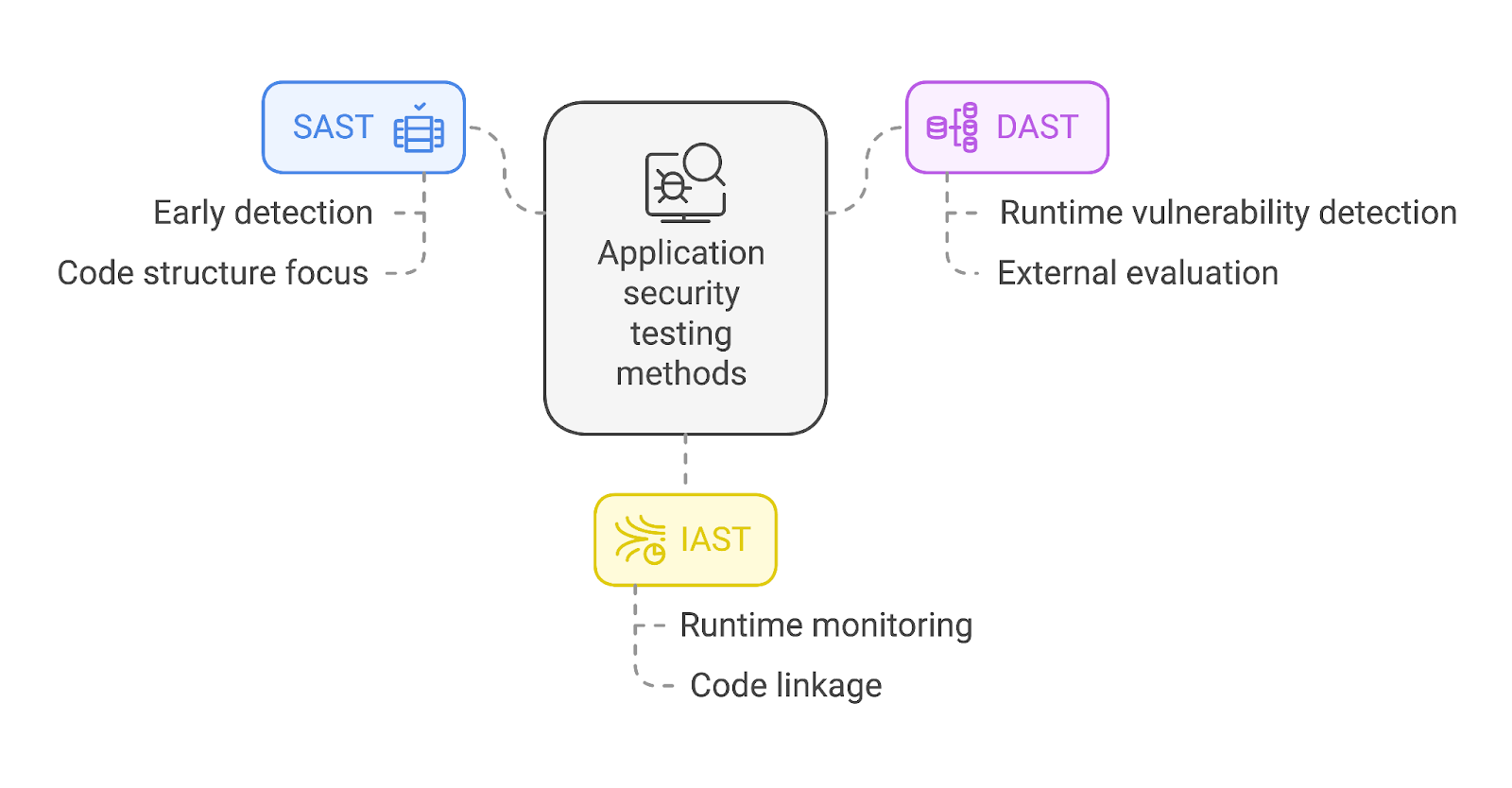
A key advantage of DAST is its complementary relationship with static analysis. While static application security testing (SAST) scans source code before deployment, DAST tests the running application, catching vulnerabilities that static tools miss .
[g5fiqj]
Early vulnerability detection reduces costs significantly—the sooner a security flaw is identified during the software development lifecycle, the cheaper it is to fix .
[do6zoj]
However, organizations should recognize that DAST requires a running application instance, making it unsuitable for pre-execution testing phases .
[sri8z1]
Additionally, DAST scans may generate false positives, requiring security teams to validate findings before developers invest time in remediation .
[sri8z1]
Current State and Future Trajectory
DAST adoption continues accelerating as organizations embrace DevSecOps principles and recognize the necessity of testing applications in their production-like states .
[sri8z1]
The technology has evolved from manual penetration testing to sophisticated automated scanning platforms that integrate seamlessly into modern development workflows .
[g5fiqj]
Security teams increasingly view DAST as non-negotiable for maintaining security posture as applications grow more complex and deployment frequencies increase.
Looking ahead, DAST tools will likely become more intelligent through artificial intelligence and machine learning enhancements, enabling faster vulnerability detection with improved accuracy rates. As cloud-native architectures and microservices become standard, DAST's ability to test distributed, dynamically changing applications will prove increasingly critical to organizational security strategies.
Conclusion
DAST represents a critical cornerstone of modern application security, detecting runtime vulnerabilities that static analysis cannot identify and simulating real-world attack scenarios before malicious actors discover them .
[2etrq1]
As development cycles accelerate and security threats evolve, DAST's role in protecting applications and user data will only grow more vital to organizational resilience.