


GNU Project
- The GNU Project is a long-running open-source initiative building a complete operating system and software ecosystem around users’ freedom to run, study, modify, and share software.
- The GNU Project is an open-source project and community, rather than a conventional company or standalone foundation. Its work spans operating-system components, developer tools, libraries, and applications, including GCC and GNU Emacs . [1] [2] The project originated in 1983; its primary online and community presence is global through GNU-hosted infrastructure and distributed maintainers. Consultants track GNU because its software, licensing model, and development philosophy helped shape modern free and open-source software.
Identity and Form
- Type: This organization is an open-source project and open-source community.
- Legal form and jurisdiction: No reliable source found establishing the GNU Project as a separately incorporated public or private legal entity; it is associated with the Free Software Foundation for advocacy and institutional support, but the returned sources do not document a parent-company structure.
Mission and Identity
What They Do
- GNU libraries and utilities: Reusable system libraries and command-line components supporting GNU systems. [1]
- GNU PSPP and GNU nano: Maintained applications with releases announced through GNU infrastructure. [3]
Leadership and People
- GCC’s major decisions are made by a steering committee, guided by that component’s mission statement. [1]
History and Origin Story
- 1983 — GNU Project founded to pursue a fully free operating system; no returned result supplied a primary-source founding citation with further detail.
- 2026 — GNU-hosted projects continued regular releases, including GNU Mes, PSPP, nano, and libunistring in October. [3]
Financials and Funding
Milestones and Signature Output
- GCC — A compiler collection originally created for the GNU operating system and now supporting numerous programming languages and target platforms. [1]
- GNU Emacs — A major GNU component with an active package ecosystem; Org is described as part of GNU Emacs and the GNU operating system. [2]
Ecosystem and Relationships
- Free Software Foundation — associated advocacy and institutional ecosystem; the returned results do not establish a formal corporate-parent relationship.
- OpenBSD — referenced in GNU development-list traffic, illustrating interaction with the wider Unix-like software ecosystem. [4]
Recent Developments
Impact
- Impact on society
- GNU’s software contributes to a widely used free-software ecosystem, but the returned sources do not provide a credible quantified estimate of users, deployments, or social reach.
- Its explicit emphasis on software freedom makes user control, source access, modification, and redistribution central design goals rather than incidental benefits. [1]
-
- Impact on innovation
- GCC helped establish a reusable, multi-language compiler infrastructure for GNU systems and GNU/Linux, supporting both native and cross-compilation targets. [1]
- GNU Emacs and its package ecosystem demonstrate a durable model in which a foundational tool becomes an extensible platform maintained by distributed contributors. [2]
-
- Impact on its industry or domain
- GNU’s toolchain and libraries form core building blocks for free and open-source operating systems; GCC’s stated support for many languages and platforms illustrates its role as shared infrastructure rather than a single end-user application. [1]
-
- Historical significance
- The project’s influence is best understood through the durable ecosystem of components and licensing principles it helped establish, although the returned sources do not provide an external historical assessment quantifying that influence.
- Criticisms and controversies
- No substantive, externally documented criticism or settled controversy was identified in the returned results; the available material consists primarily of project pages, release notices, and development-list activity.
-
Adjacent Entries
Images & Screenshots


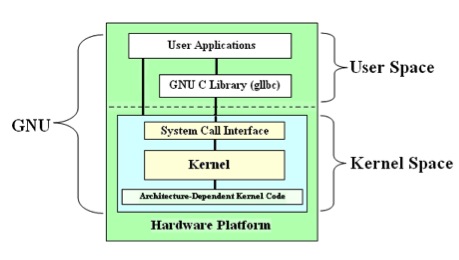 Source: https://www.sysax.com/ftblog/windows-ftp/what-is-gnu-and-what-are-the-benefits-of-using-it/index.htm
Screenshots


Sources
[1] 2026, Oct 26. gcc.gnu.org . GCC, the GNU Compiler Collection . Updated: 2026, Nov 09. Generated: 2026, Nov 17. Perplexity API response.
[2] 2026, Nov 16. elpa.gnu.org . GNU-devel ELPA: org . Generated: 2026, Nov 17. Perplexity API response.
[3] 2026, Oct 25. lists.gnu.org . info-gnu (date) . Updated: 2026, Oct 27. Generated: 2026, Nov 17. Perplexity API response.
[4] 2026, Oct 31. lists.gnu.org . bug-gnulib (date) . Updated: 2026, Nov 07. Generated: 2026, Nov 17. Perplexity API response.
[5] 2026, Oct 21. elpa.gnu.org . GNU-devel ELPA: isbn . Updated: 2026, Nov 04. Generated: 2026, Nov 17. Perplexity API response.
[6] 2026, Nov 09. elpa.gnu.org . GNU-devel ELPA: emureader . Updated: 2026, Nov 13. Generated: 2026, Nov 17. Perplexity API response.
[7] 2026, Nov 11. elpa.gnu.org . GNU-devel ELPA: modus-vague . Updated: 2026, Nov 13. Generated: 2026, Nov 17. Perplexity API response.
[8] 2026, Oct 21. lists.gnu.org . info-gnu (thread) . Generated: 2026, Nov 17. Perplexity API response.
[9] 2026, Nov 09. lists.gnu.org . discuss-gnustep (thread) . Generated: 2026, Nov 17. Perplexity API response.
[10] 2026, Oct 26. lists.gnu.org . libreplanet-discuss (date) . Updated: 2026, Oct 27. Generated: 2026, Nov 17. Perplexity API response.