


Collaborative Application Markup Language
(2025-12-02T10:09.143Z)
Perplexity Query
(2025-12-02T10:09
.143Z)
Question:
Write a comprehensive one-page article about "Collaborative Application Markup Language".
Model: sonar-pro
Collaborative Application Markup Language: Enabling SharePoint Customization and Data Management
Introduction
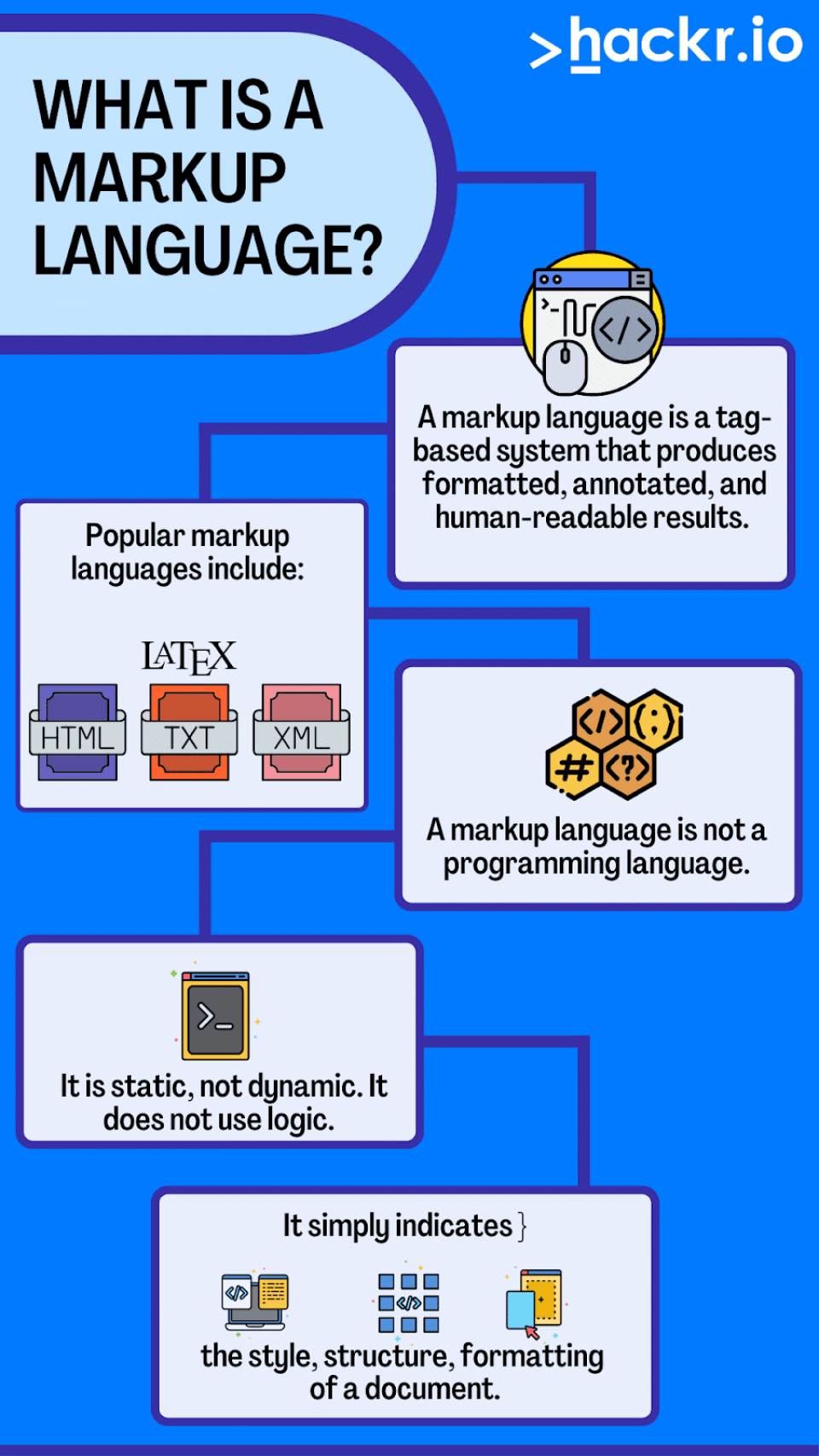
Collaborative Application Markup Language (CAML) is an XML-based markup language specifically designed for use with Microsoft SharePoint technologies, including Windows SharePoint Services and Office SharePoint Server.
[wtnhf5]
CAML provides developers with a specialized set of tags and elements that enable both the definition and rendering of data within SharePoint environments. This language is fundamental to SharePoint administration and development, serving as the backbone for customizing sites, lists, views, and data queries across enterprise collaboration platforms.

Main Content
Understanding CAML's Core Functionality
CAML operates through two distinct categories of elements: definition elements and rendering elements.
[wtnhf5]
Definition elements construct and define the structural components of SharePoint sites and lists, much like basic XML but with a limited, specialized set of keywords. These elements establish how data is organized and what fields exist within a particular list or site. For example, developers can define field types such as counters, text, or choice fields using simple CAML tags. Rendering elements, conversely, generate HTML output based on specific data conditions, allowing developers to control how information appears to end users in their web browsers.
[ro7vzs]
Practical Applications and Use Cases
CAML enables developers to perform a wide range of operations within SharePoint environments.
[b7cngt]
One of the most common applications is querying SharePoint lists and libraries with specific conditions and filters. Developers can construct CAML queries to retrieve targeted data, create custom list views, and define site templates and features.
[b7cngt]
Additionally, CAML is used extensively in site provisioning, where it defines what elements exist on a SharePoint site instance and controls their display through ONET.XML files and related configuration files.
[wtnhf5]
Organizations leverage CAML to build WebParts that retrieve specific values from SharePoint lists, customize delegate controls, add actions to user interfaces, and create event handler features.
[ro7vzs]
Data Querying and Conditional Logic
One of CAML's powerful capabilities lies in its ability to implement conditional logic and branching operations.
[wtnhf5]
Developers can use specialized tags such as
IfEqual, Then, and Else to compare data values and execute different code paths based on the results. This functionality enables sophisticated data-driven workflows and dynamic content generation. Furthermore, CAML provides specialized tags for database queries, allowing developers to construct complex search and filter operations against SharePoint data sources efficiently.
[wtnhf5]
Integration with SharePoint Development
CAML is deeply integrated into virtually all SharePoint installations, making it essential knowledge for SharePoint developers and administrators.
[wtnhf5]
The language works seamlessly with the SharePoint API, supporting both SharePoint Web Services and the SharePoint Object Model.
[wtnhf5]
Developers can pass CAML strings through method parameters, assign them to properties, or receive them from method returns. Additionally, CAML integrates with SOAP messaging for remote interaction with SharePoint deployments through Web services, enabling distributed development scenarios.
[ro7vzs]

Current State and Trends
CAML remains actively used across SharePoint deployments ranging from SharePoint Foundation 2013 through SharePoint Online and SharePoint Server 2016.
[ro7vzs]
It is case-sensitive and requires precise syntax, making developer tools increasingly important for practical implementation. Tools such as the U2U CAML Generator have emerged to help developers construct valid CAML queries graphically from existing SharePoint lists, reducing the learning curve and improving development efficiency.
[wtnhf5]
Organizations continue to rely on CAML for critical customization tasks, particularly in enterprises with extensive SharePoint investments seeking to maximize their platform capabilities without requiring extensive custom coding.
Future Outlook
As Microsoft continues evolving SharePoint, particularly through cloud-based SharePoint Online offerings, CAML remains relevant alongside modern development approaches. While newer technologies and frameworks continue to emerge, CAML's fundamental role in defining and querying SharePoint data ensures its persistence in enterprise environments. Organizations are likely to continue integrating CAML with contemporary development practices, combining it with REST APIs and modern development frameworks to create hybrid solutions that leverage both traditional and modern SharePoint capabilities.
Conclusion
CAML represents a critical component of the SharePoint ecosystem, providing developers with specialized tools for defining, querying, and rendering data across enterprise collaboration platforms. Its combination of definitional power and rendering flexibility makes it indispensable for organizations seeking to customize SharePoint environments while maintaining consistency and control over their data structures and user interfaces.
Citations
[wtnhf5] 2025, May 27. Collaborative Application Markup Language - Wikipedia. Published: 2005-08-02 | Updated: 2025-05-27
[2]: 2025, Jul 17. What is CAML, and why would you use it? - C# Corner. Published: 2015-05-02 | Updated: 2025-07-17
[b7cngt] 2025, Sep 09. What is CAML? Competitors, Complementary Techs & Usage | Sumble. Published: 2025-05-21 | Updated: 2025-09-09
[ro7vzs] 2025, Nov 28. Introduction to Collaborative Application Markup Language (CAML). Published: 2022-06-29 | Updated: 2025-11-28
[6]: 2014, Oct 04. CAML (Collaborative Application Markup Language) | Livio Pizzi. Published: 2014-10-04