Open Graph Protocol


ℹ️ (2026-03-30T17:52.671Z)
Perplexity Query
(2026-03-30T17:52
.671Z)
Question:
Write a comprehensive one-page article about "Open Graph".
Model: sonar-pro

Introduction

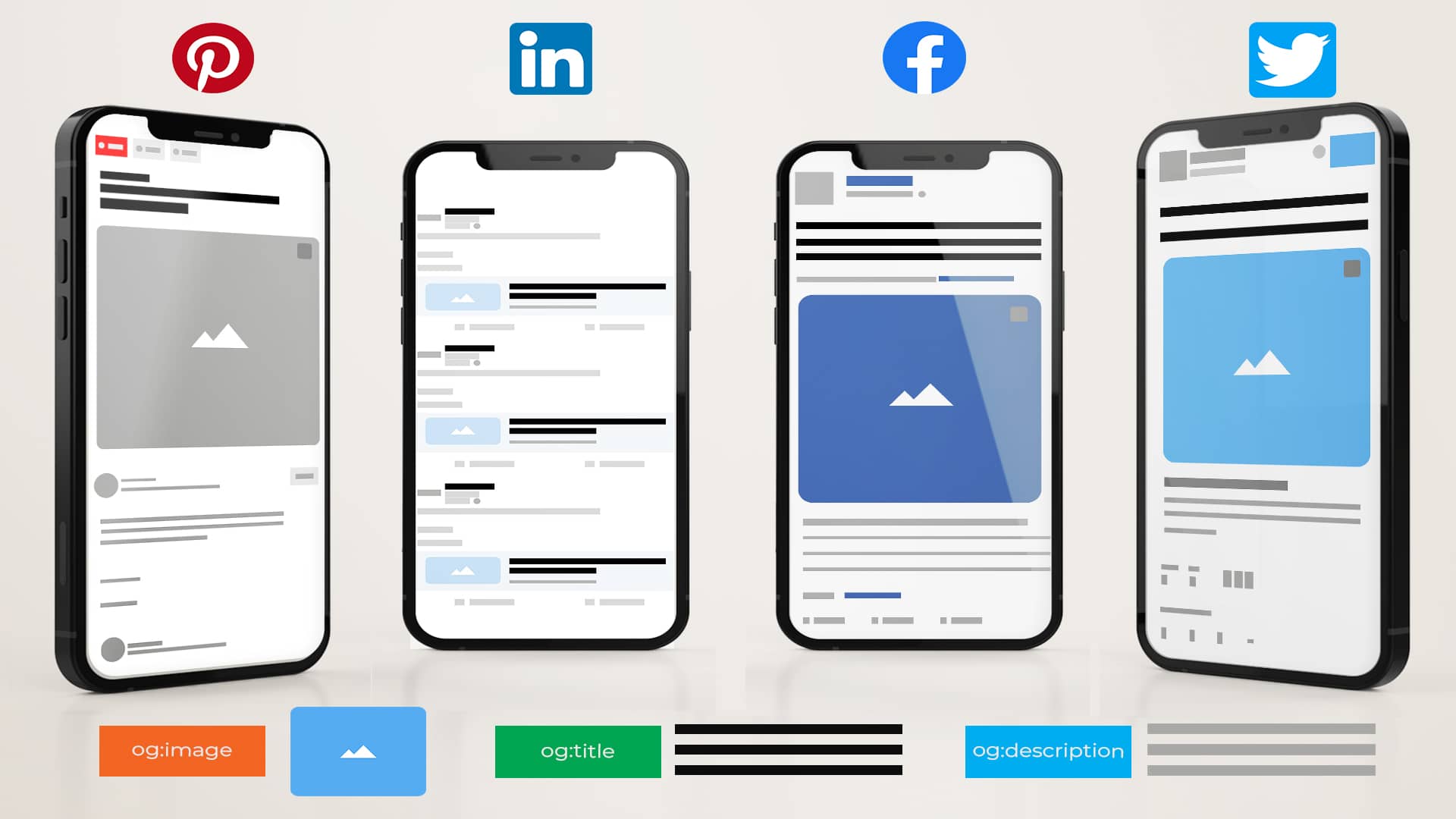
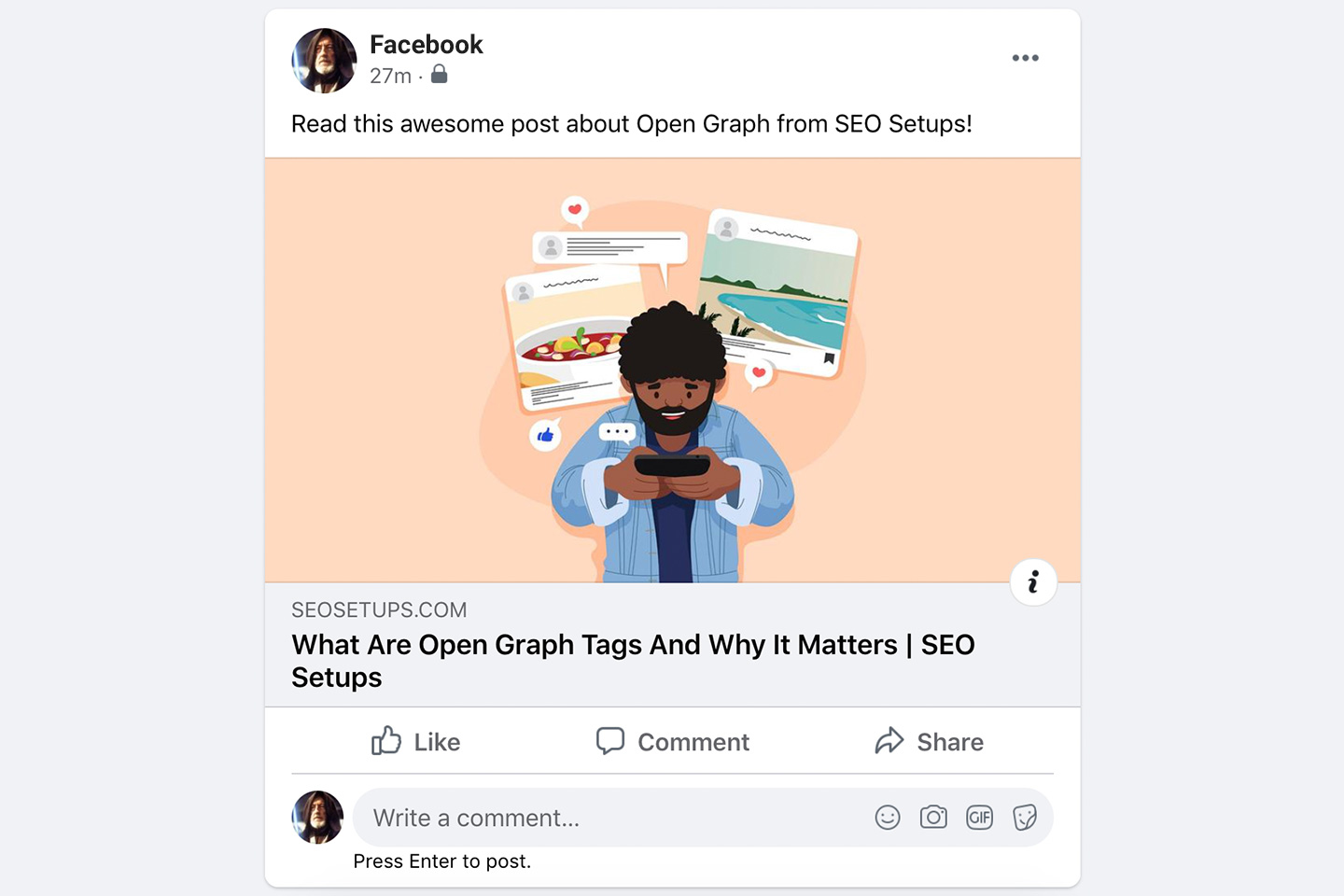
The Open Graph protocol (OGP) is a set of standardized meta tags developed by Facebook in 2010 that enables any web page to become a rich object in a social graph, controlling how content appears when shared on social media platforms. [1] [2] [3] It matters because it transforms plain URLs into visually compelling previews with titles, descriptions, images, and more, boosting engagement and click-through rates (CTR) across sites like Facebook, LinkedIn, Twitter/X, and Pinterest. [1] [3] [4] In a social media-driven world, OGP ensures consistent, professional presentations that drive traffic and visibility. [1] [5]

Main Content

OGP works by embedding specific meta tags in a web page's HTML <head> section, which social media crawlers read to generate previews when a URL is shared. [1] [2] [3] Core tags include og:title (e.g., "The Rock" for an IMDb page), og:type (e.g., "video.movie"), og:image (a representative URL), and og:url (the canonical link). [2] Platforms like Facebook use this data to pull identical elements, eliminating mismatched thumbnails or descriptions that plagued pre-OG sharing. [1] [4]
Practical examples abound: A dating site's user profile can display a personalized snippet with photo and bio, appearing uniformly on Facebook and Twitter/X to spark shares. [1] E-commerce pages use OGP for product previews with high-res images and prices, while news articles feature headlines and teasers to entice clicks. [3] [5] For IMDB's "The Rock" page, tags ensure the movie poster, title, and synopsis render perfectly in feeds. [2]
Benefits include higher CTR from eye-catching visuals, cross-platform consistency strengthening brand identity, and positive social signals that may indirectly aid SEO by signaling content authority. [1] [3] [4] Challenges involve keeping tags concise— og:title under 60-75 characters, og:description under 200—to avoid truncation, and ensuring images are optimized for fast loading. [1] Developers must also validate tags using tools like Facebook's debugger, as crawlers cache data that can lag updates. [1]
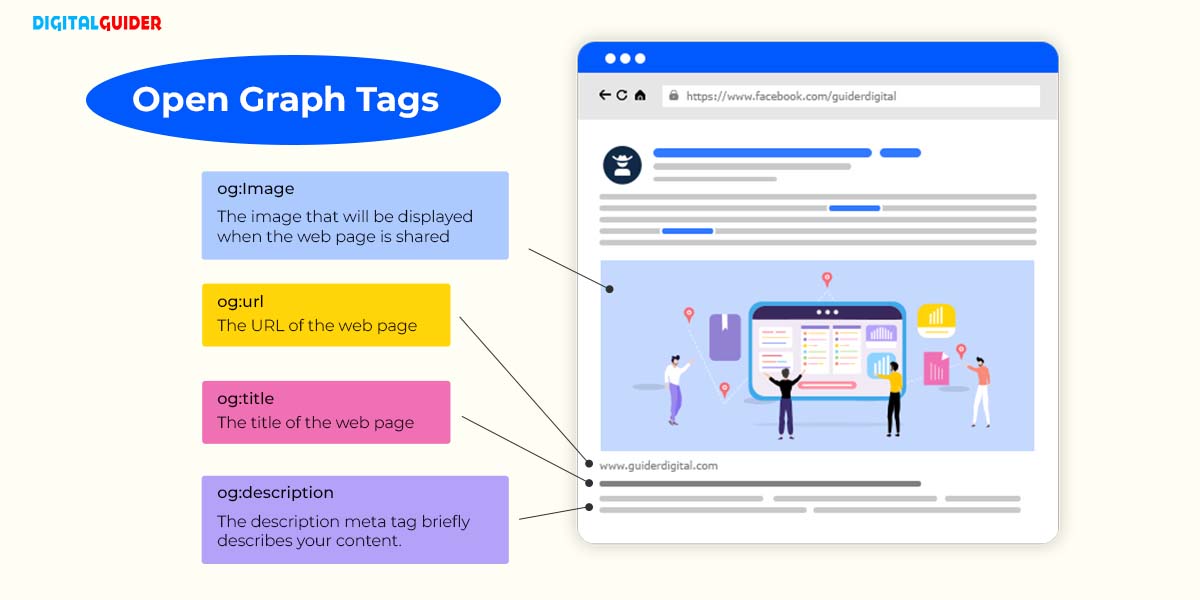
OGP remains the dominant standard in 2026, widely adopted by major platforms including Facebook, LinkedIn, Twitter/X, and Pinterest, with fallback support even when platform-specific tags (e.g., Twitter Cards) fail. [1] [3] [4] Key players like GetStream and Later emphasize its role in social previews, while sites like ogp.me maintain the official spec. [1] [2] [3] Recent developments focus on enhanced types (e.g., for videos or events) and integration with schema.org for richer SEO-social synergy, though OGP prioritizes simple social rendering over complex structured data. [1] [2]

Future Outlook

As social media evolves with AI-driven feeds and immersive formats like AR previews, OGP is poised for extensions supporting dynamic content, video embeds, and privacy-focused metadata. [1] [3] This could amplify its impact on Web3 social graphs and decentralized platforms, making web content even more shareable and discoverable globally. [2] [4]

Conclusion

The Open Graph protocol revolutionized social sharing by standardizing rich previews that enhance visibility, engagement, and consistency across platforms. [1] [3] Looking ahead, its adaptability promises to shape how content thrives in an increasingly connected digital landscape. [2]

Citations

[2] 2026, Mar 29. The Open Graph protocol . Updated: 2026-03-30

[4] 2026, Mar 21. What Is The Open Graph Protocol? - DEV Community . Published: 2023-03-01 | Updated: 2026-03-22

[6] 2026, Mar 29.

The Open Graph Protocol - Why And How You Should Use it On ...
. Published: 2022-12-09 | Updated: 2026-03-30